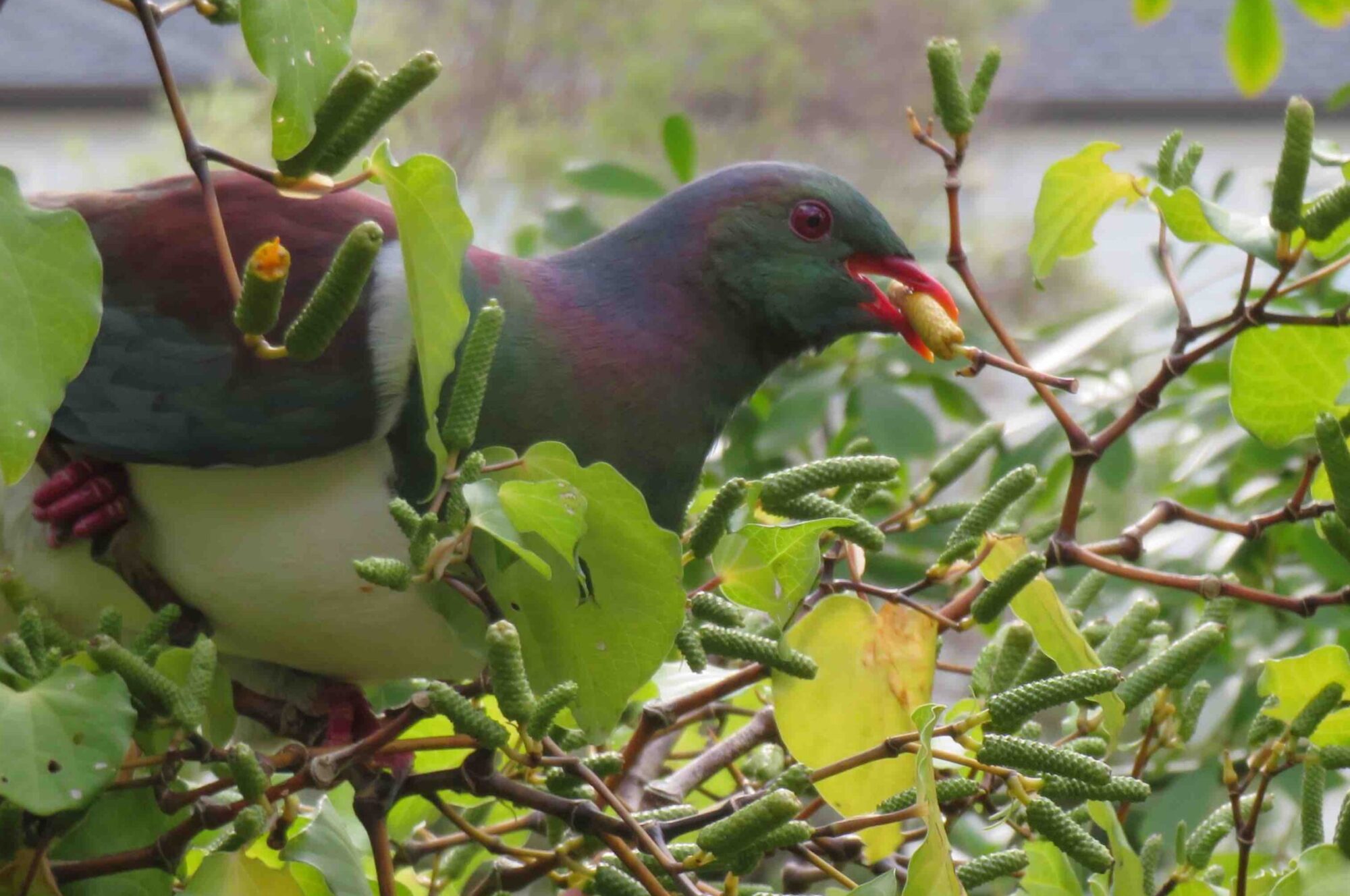
We are preparing a comprehensive training course in the methods and techniques we use to restore native vegetation to forest margins and plantings overwhelmed by weeds -vine, tree, shrub and grass weeds, including areas of both mown and uncontrolled kikuyu.
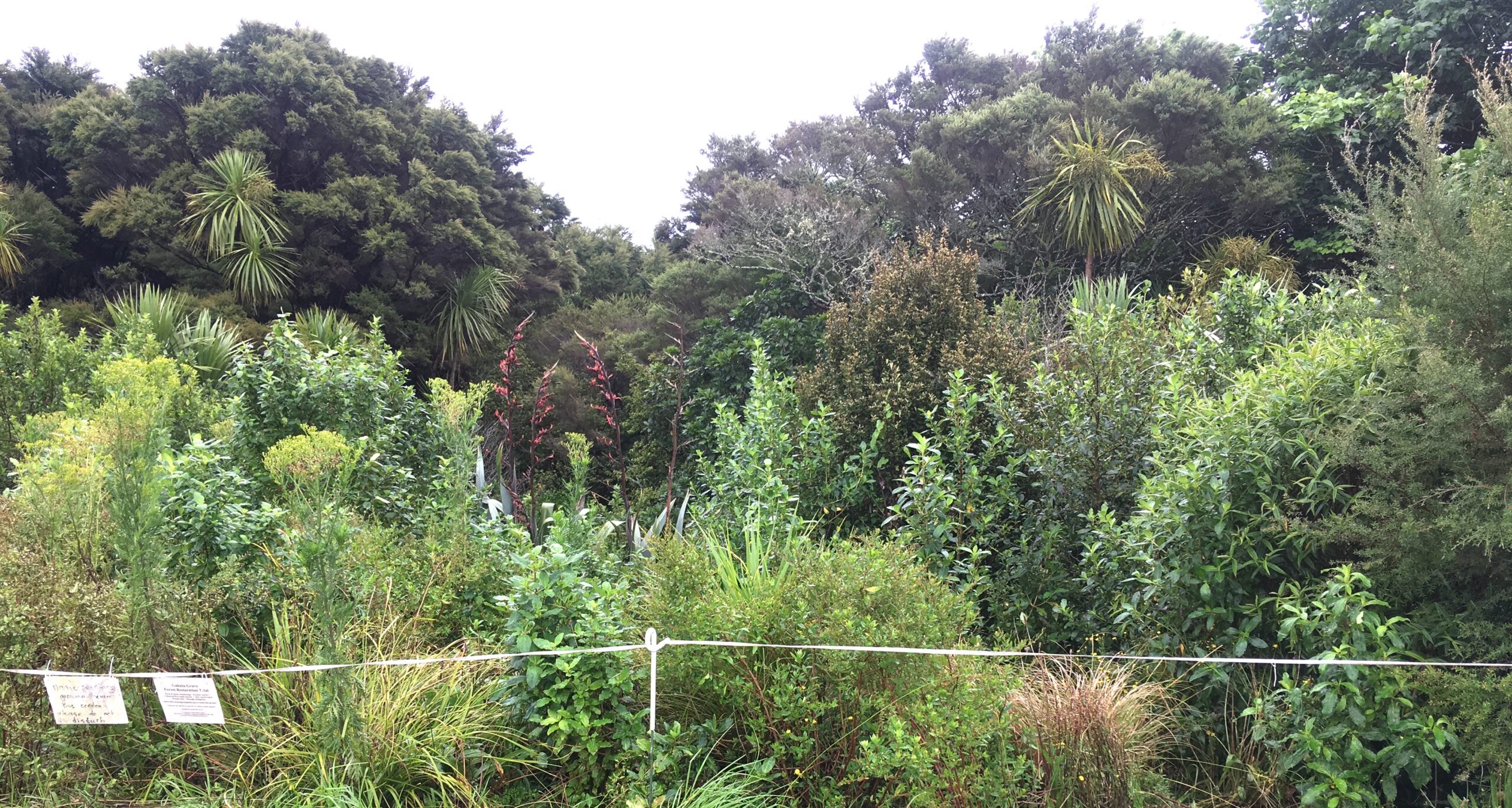
The course will be based on Gahnia Grove, our Chemical-Free Restoration Methodology Demonstration site in Glenfield Rd, Eskdale Reserve.
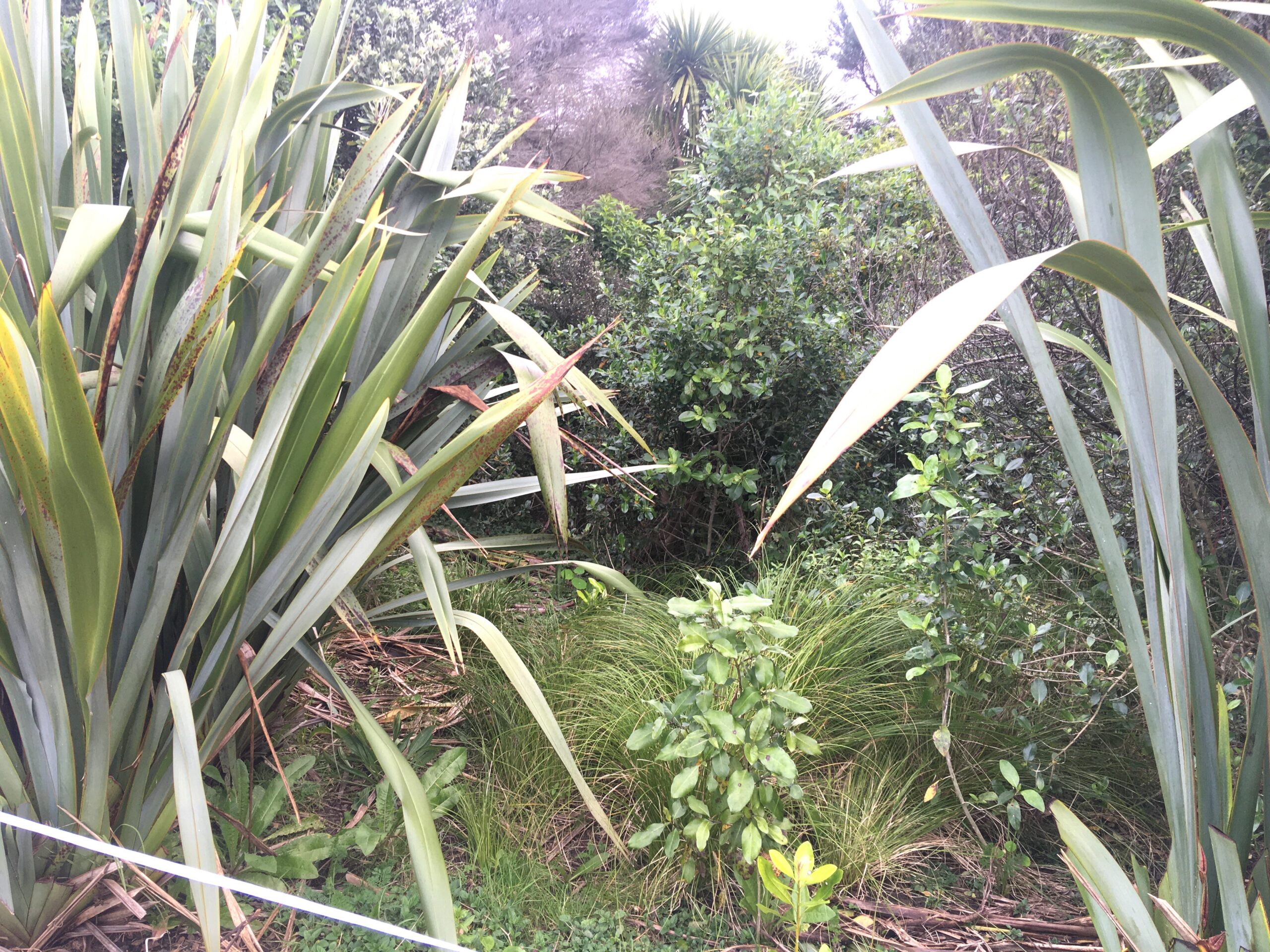
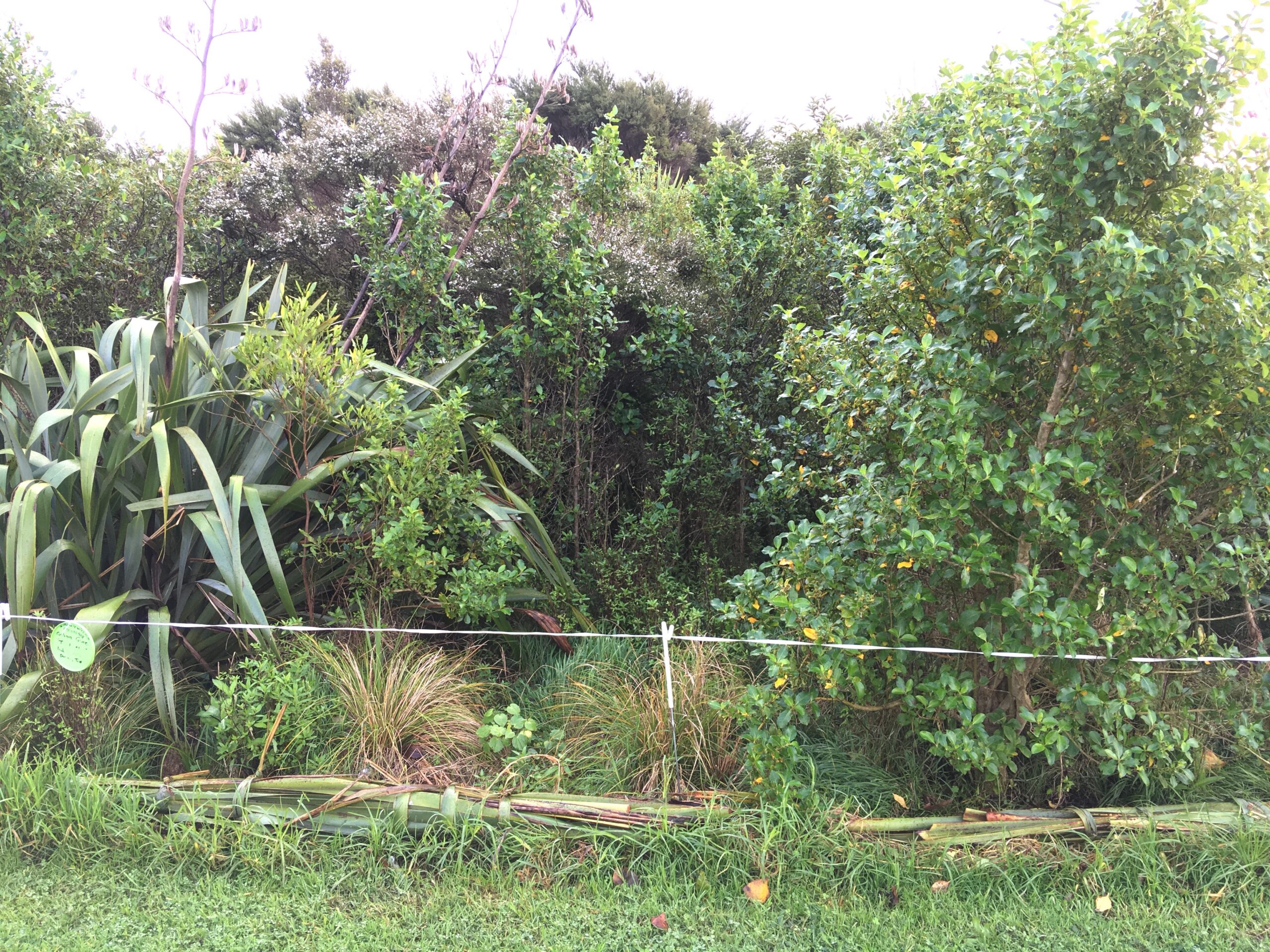
No specialized knowledge or skill is required to take part in the course, which covers some of the basic principles of gardening, weed control, landcare for conservation of soil and water, and passive ecological restoration.
We have planned Modules covering all categories of invasive weeds affecting our local gardens, parks, natural reserves and waterways, as well as our understanding and experience of passive restoration and native forest succession.
Since the question we are most commonly asked is, “how do you control the kikuyu?”, the first Course module will teach our method of no-dig, no-cut, no-spray kikuyu control, including the strategy, planning and techniques we used in Gahnia Grove and elsewhere for eradication of kikuyu from the entire cordoned area.
eg the “Arena”, shown below in June 2018. The kikuyu was mown behind the camera, spreading uncontrolled down this steep bank, where it was mixed with honeysuckle and blackberry:
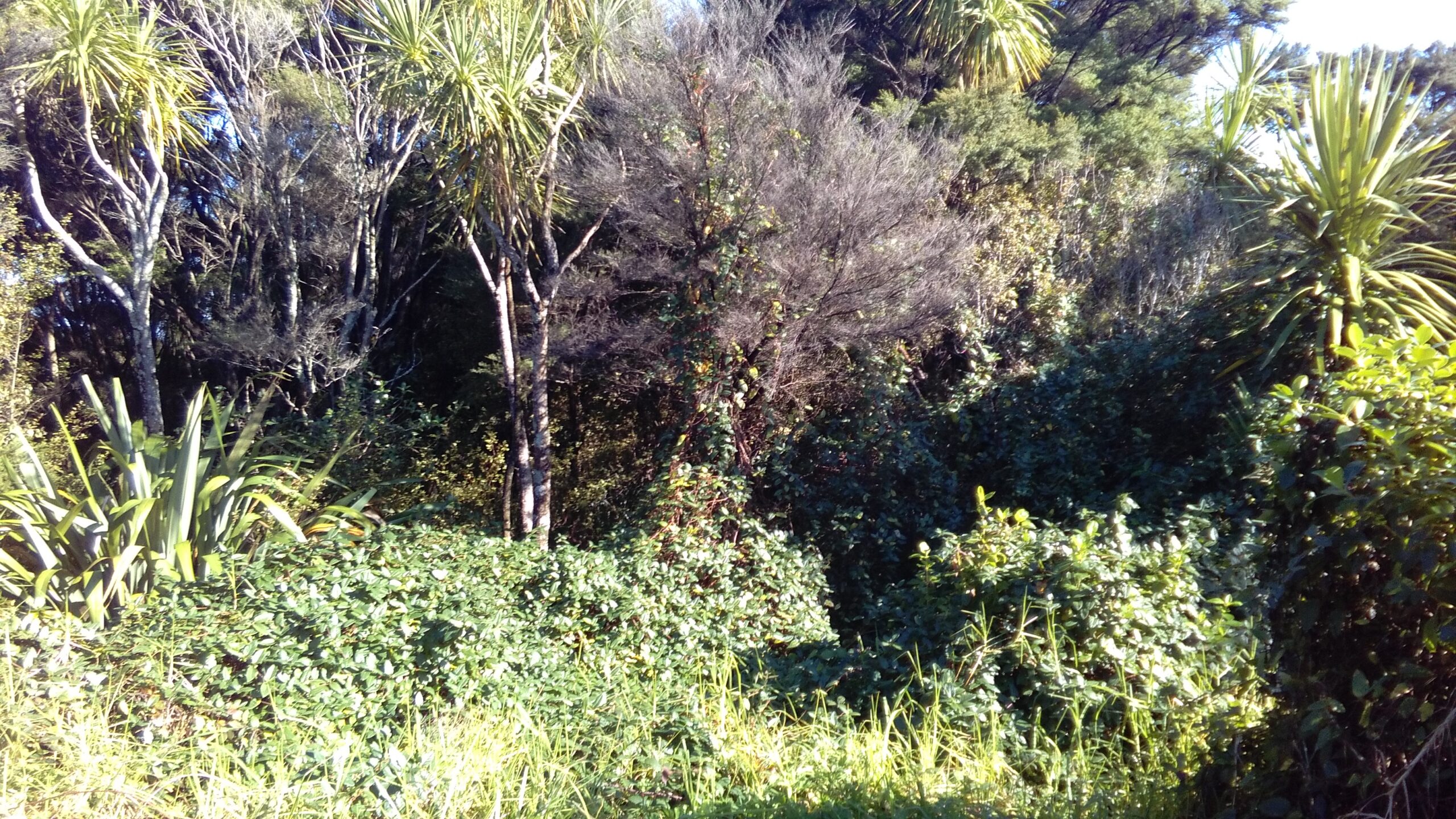
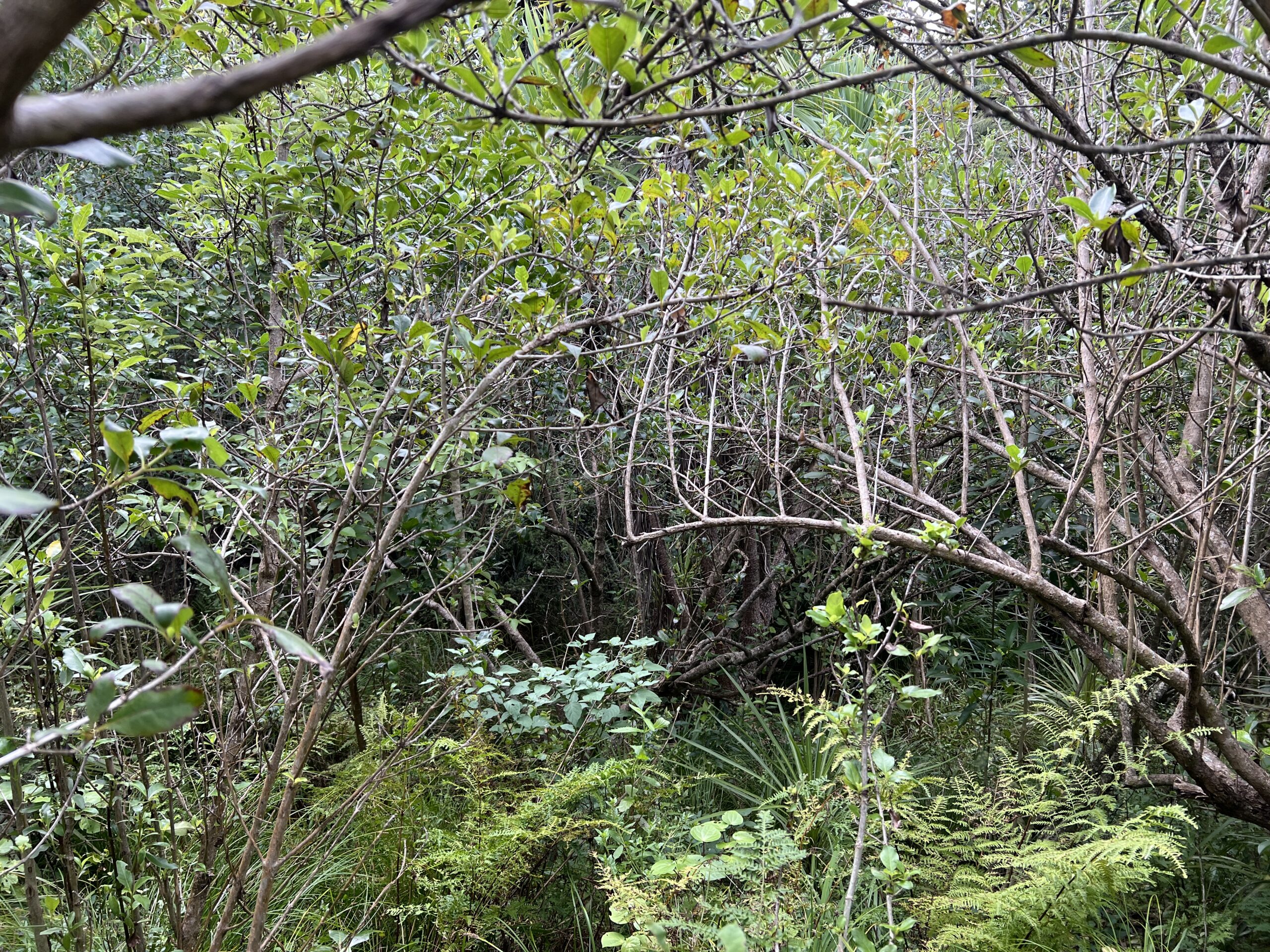
In January 2026, the same view shows the same karamu (extreme right), now much taller and wider, its outreaching older branches now leafless, its leafy canopy still nursing native tree seedlings, groundcovers and ferns, which are abundant all over the bank, especially under the ti kouka shown top right in the 2018 photo (now twice its 2018 height and with five upright trunks, their bases barely visible in the background of the below photo)
Control without eradication
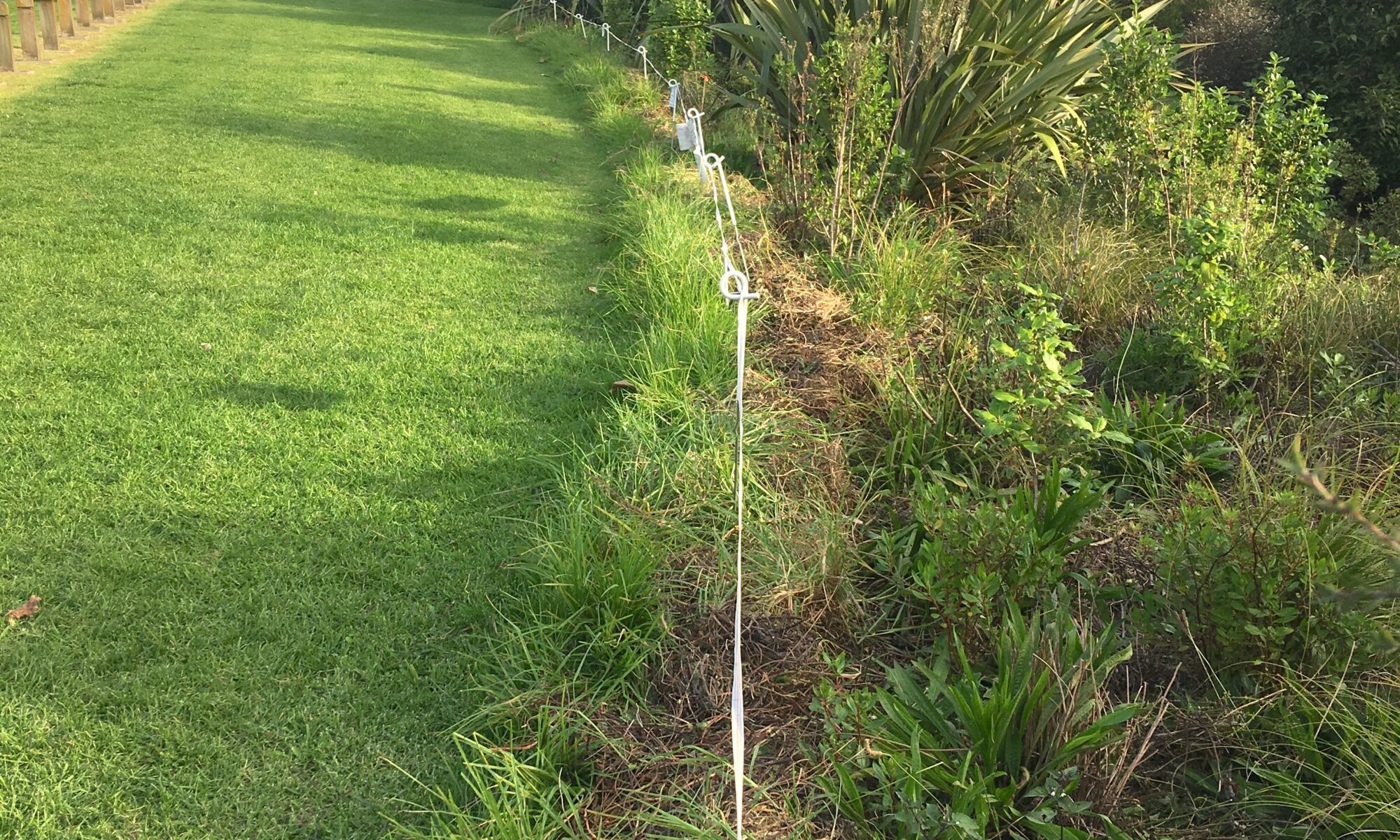
For control of kikuyu at the margin of areas where kikuyu is to be retained, perhaps controlled by mowing, we teach strategies and techniques for ongoing use in preventing reinvasion of the cleared area. We use these strategies and techniques along the 160m cordoned margin of Gahnia Grove, where the kikuyu is mown regularly by Council for public recreational use of the ridge-top edge of Eskdale Reserve opposite 227-235 Glenfield Road, where strawberries and takeaway meals are sold by street vendors.
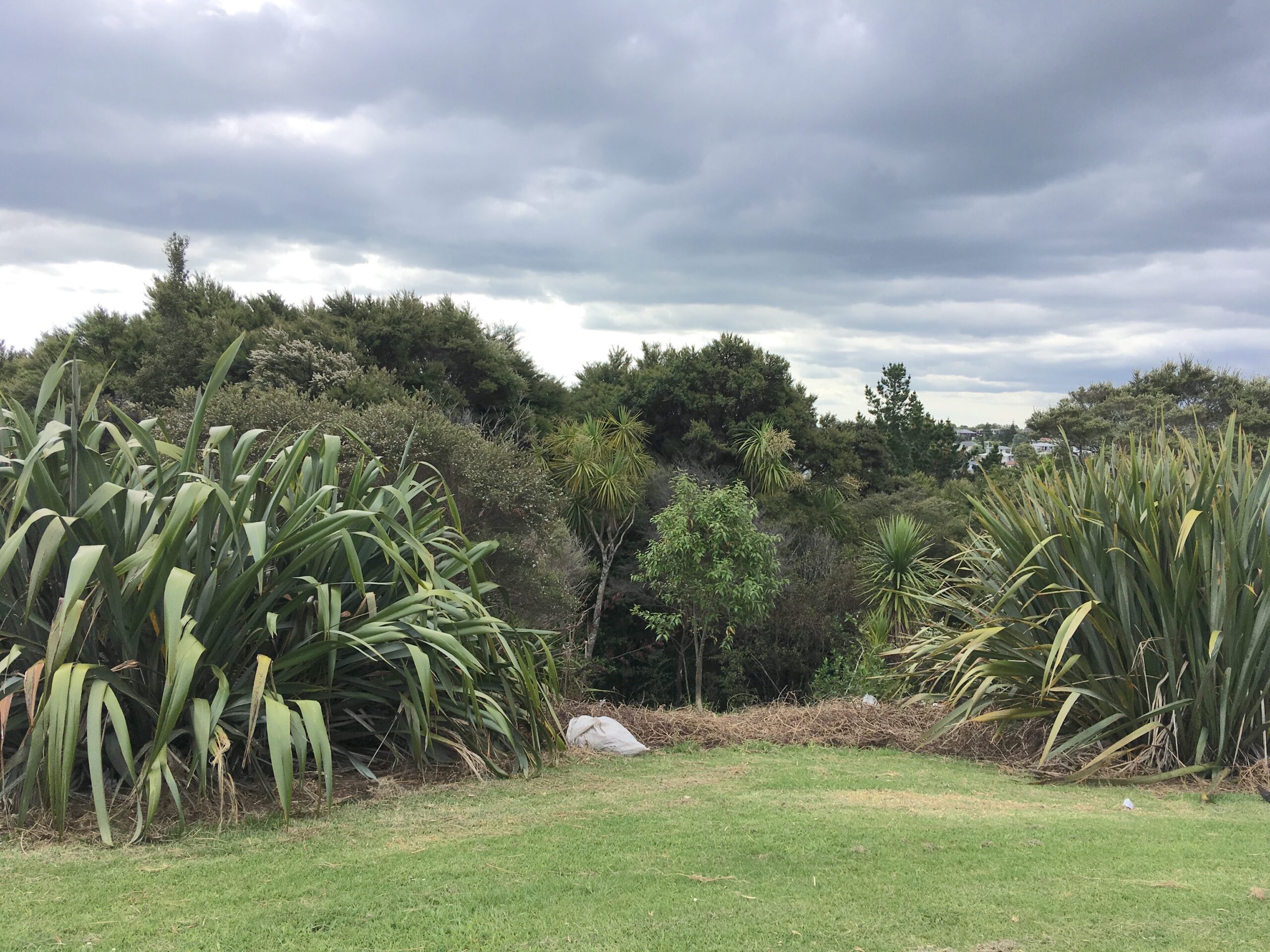
Arena kikuyu margin 2018
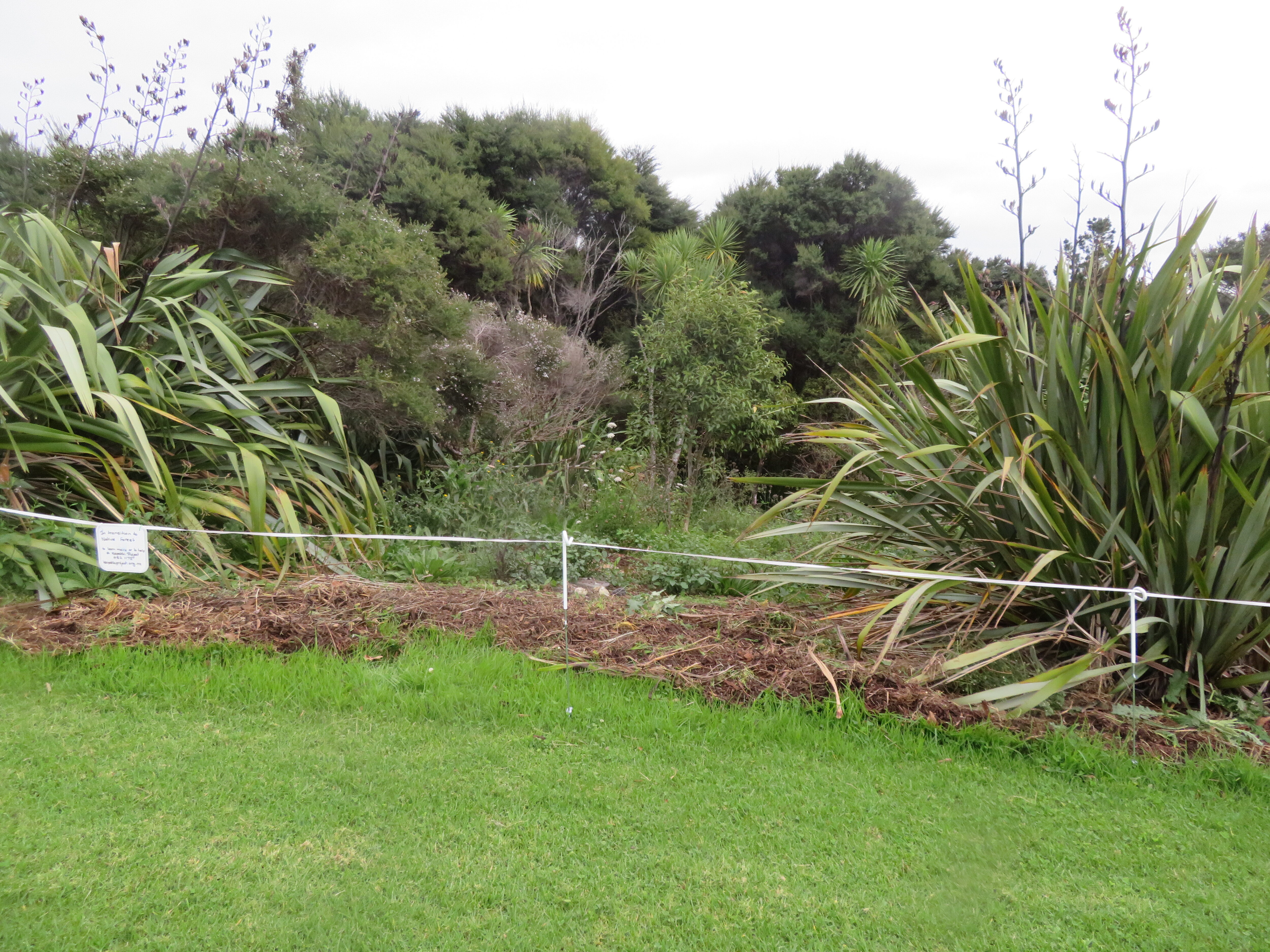
Arena kikuyu margin May 2019
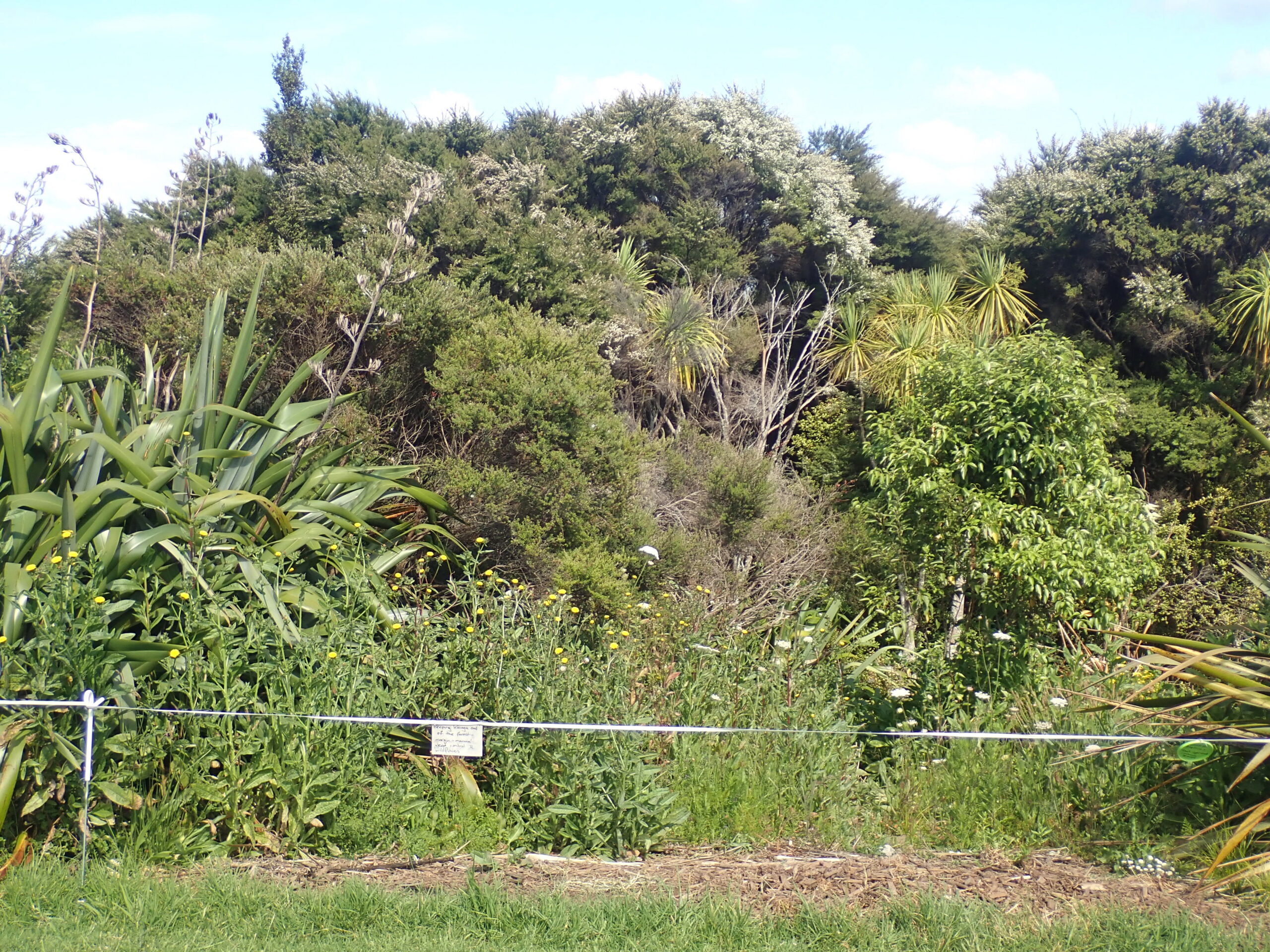
Arena kikuyu margin Dec 2019
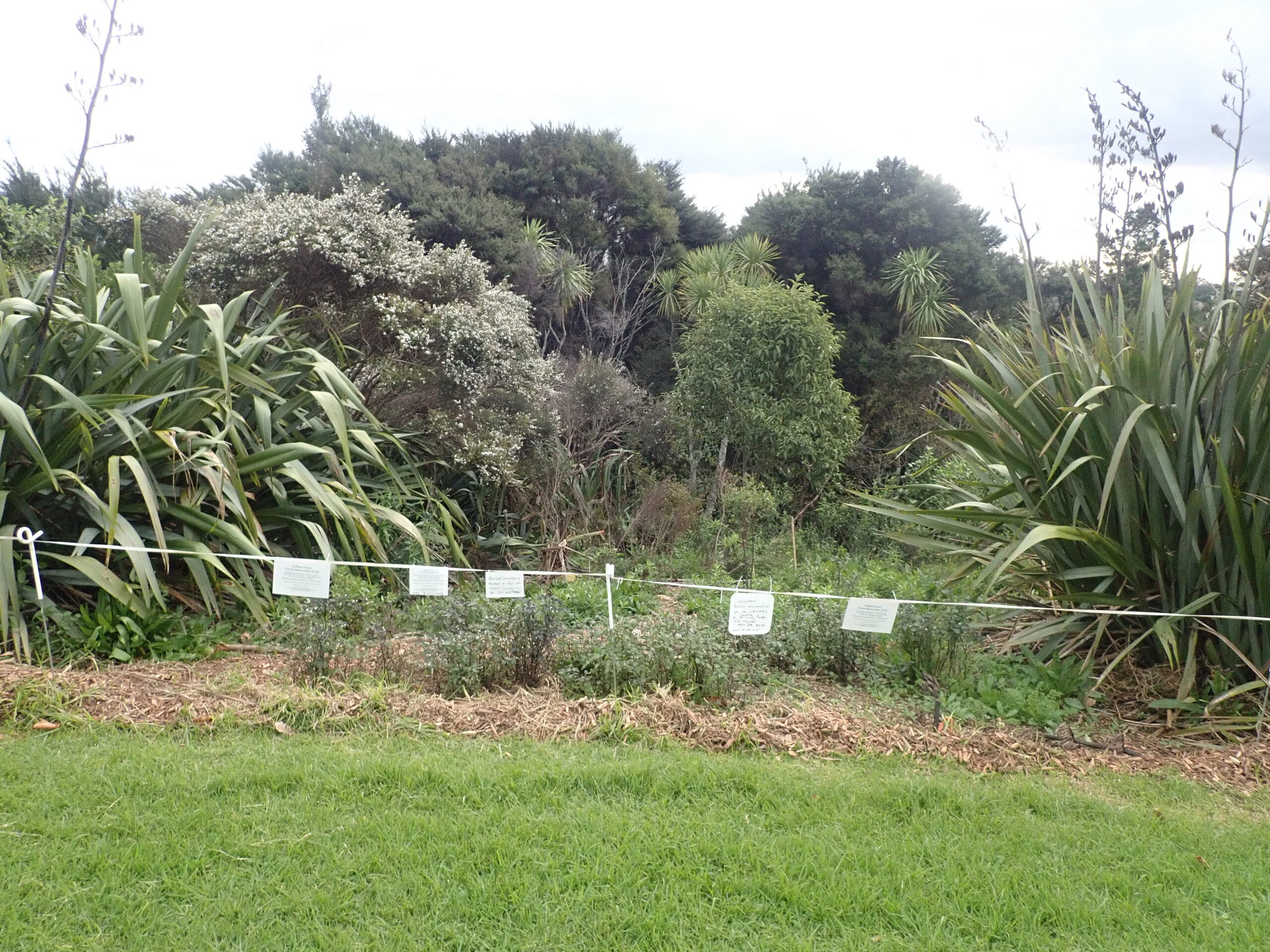
Arena kikuyu margin July 2020
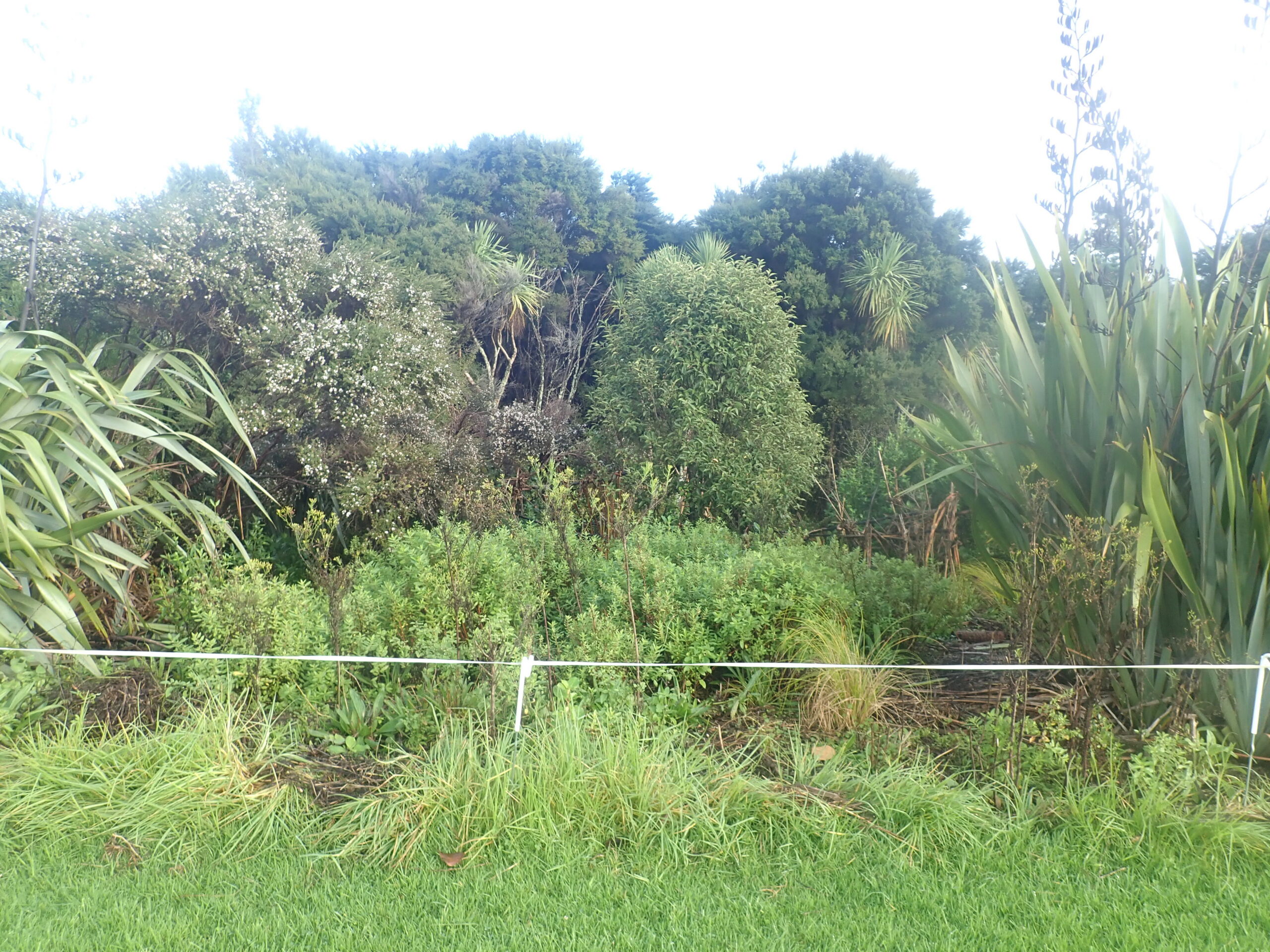
Arena kikuyu margin May 2021
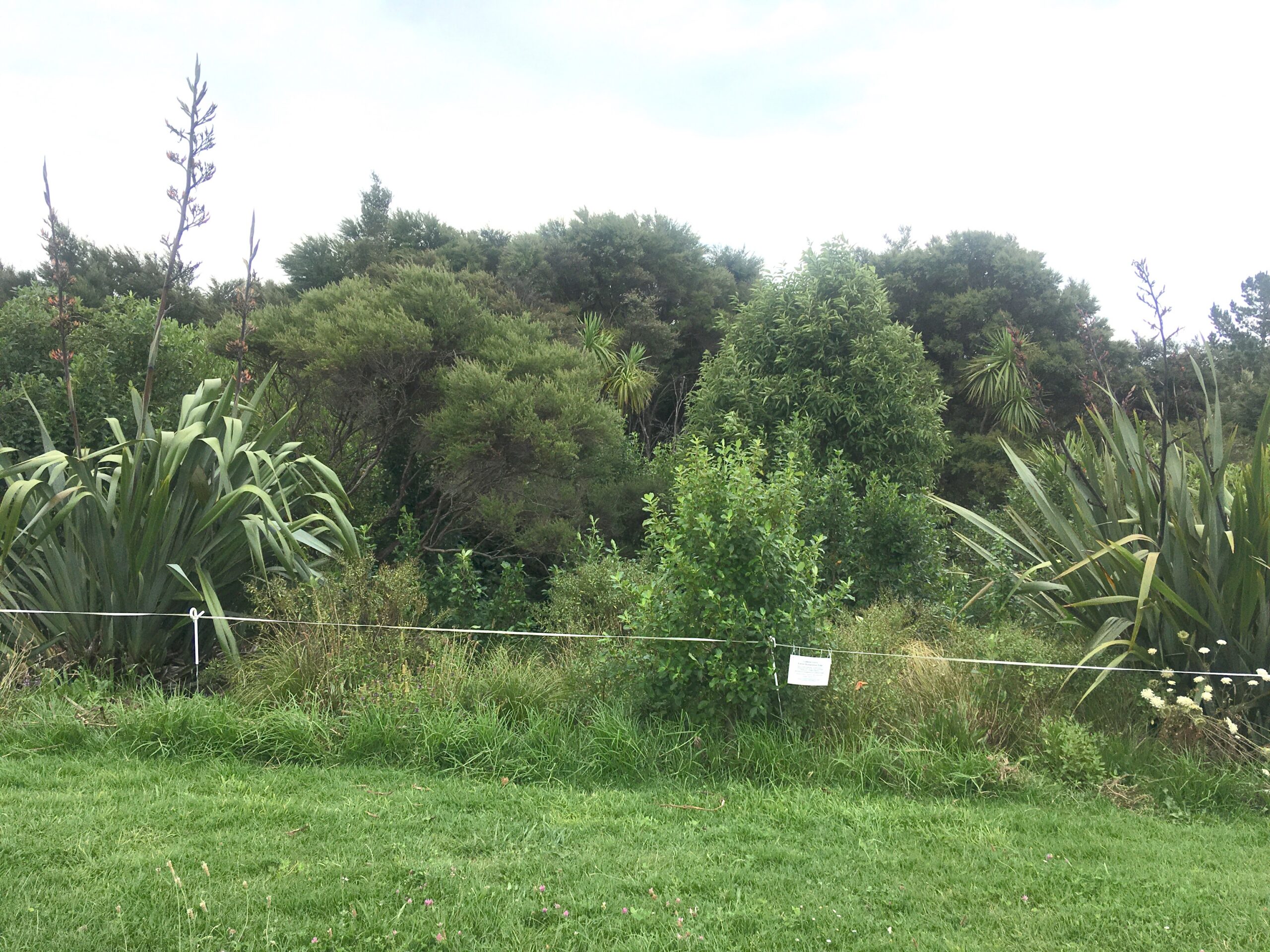
Arena kikuyu margin Dec 2022
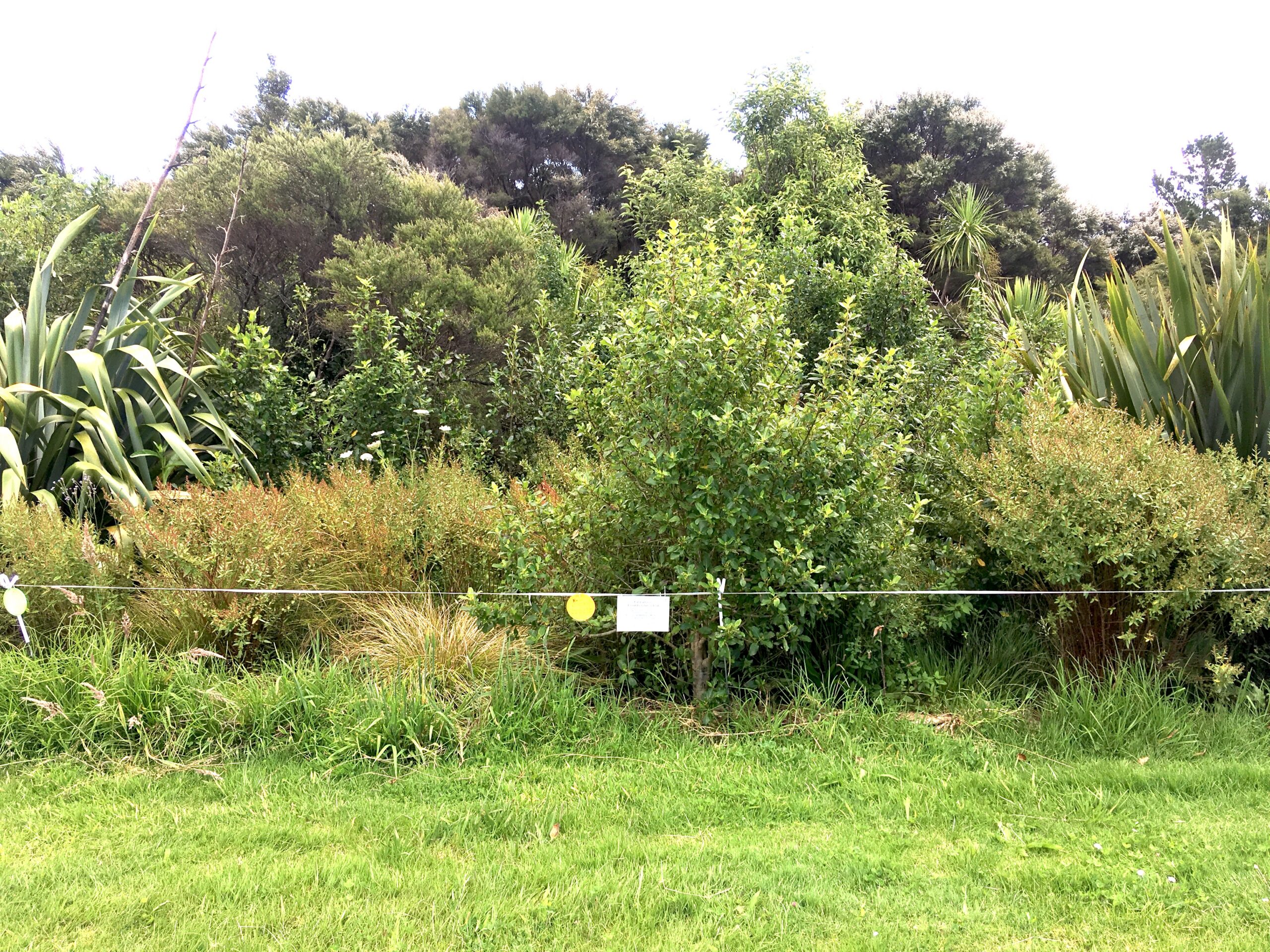
Arena kikuyu margin Dec 2023
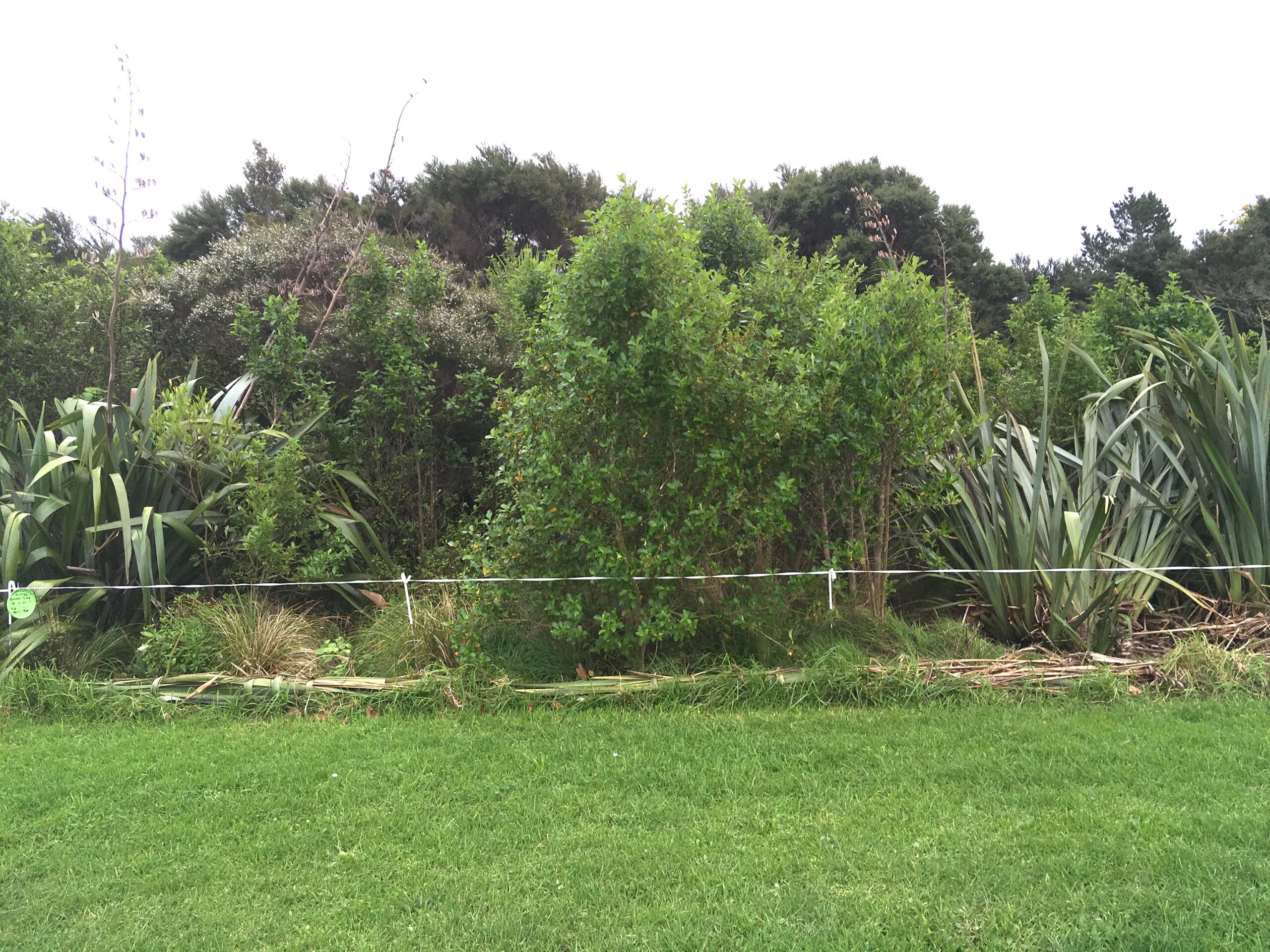
Arena kikuyu margin June 2025
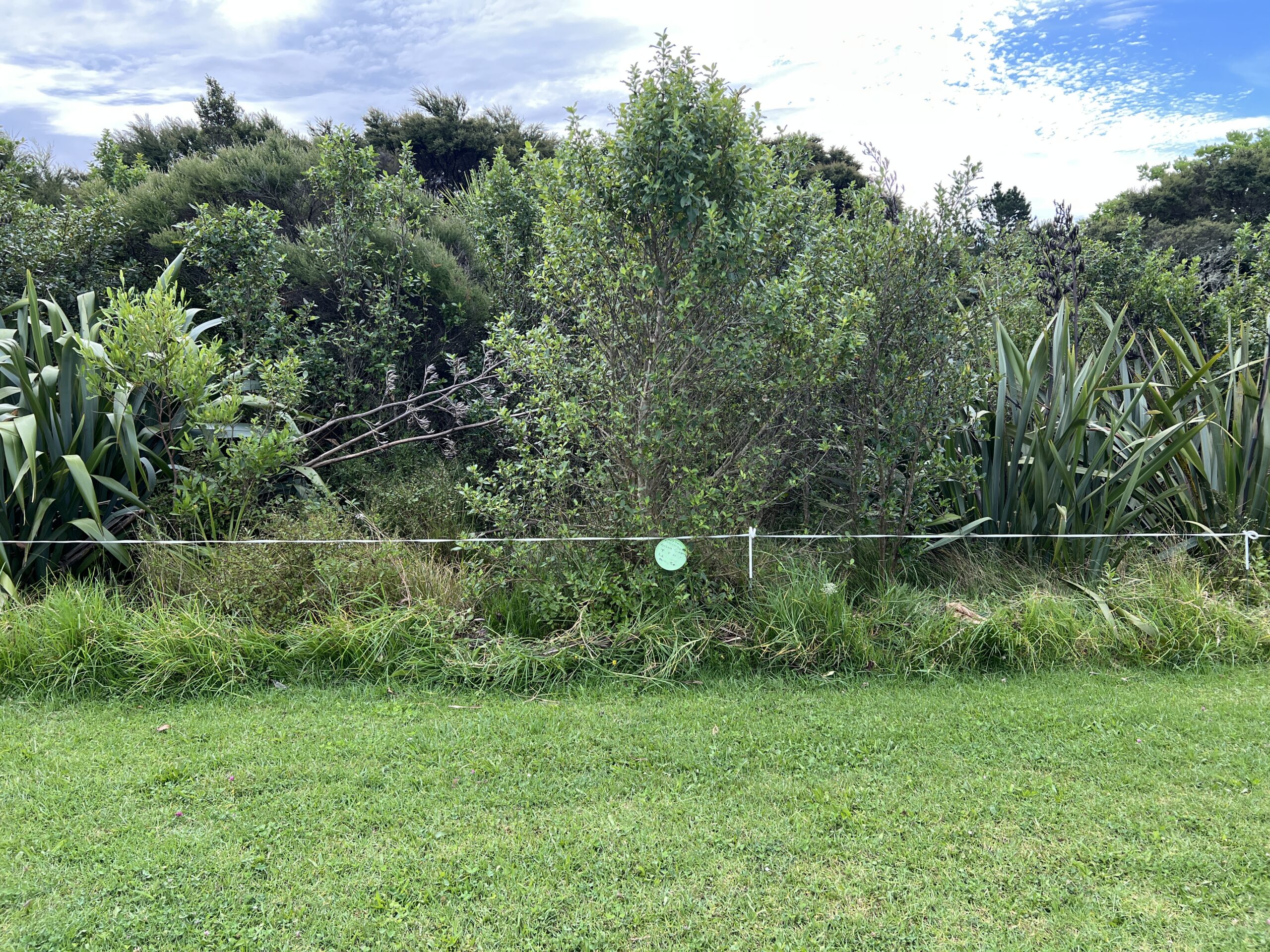
Arena kikuyu margin January 2026
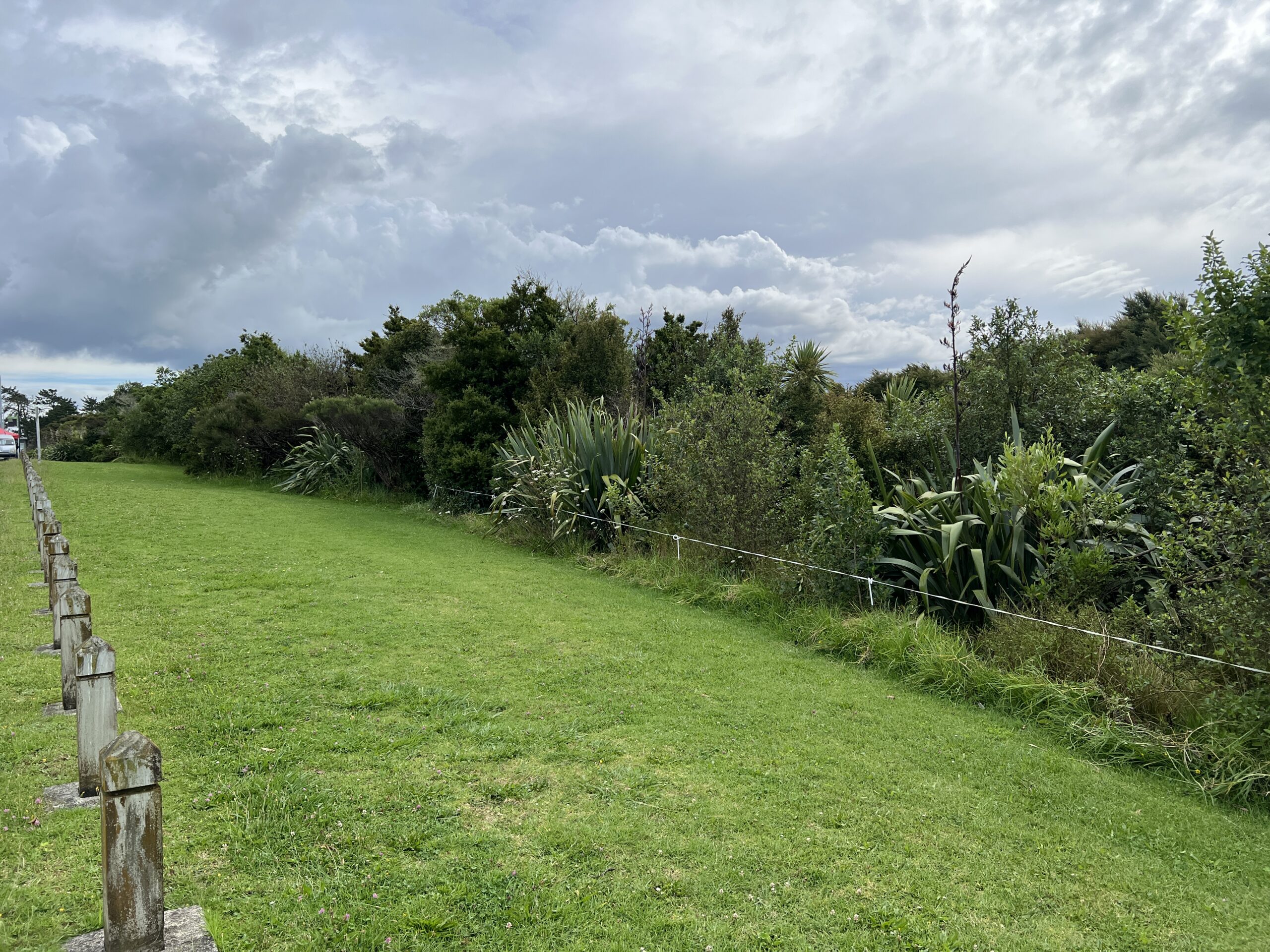
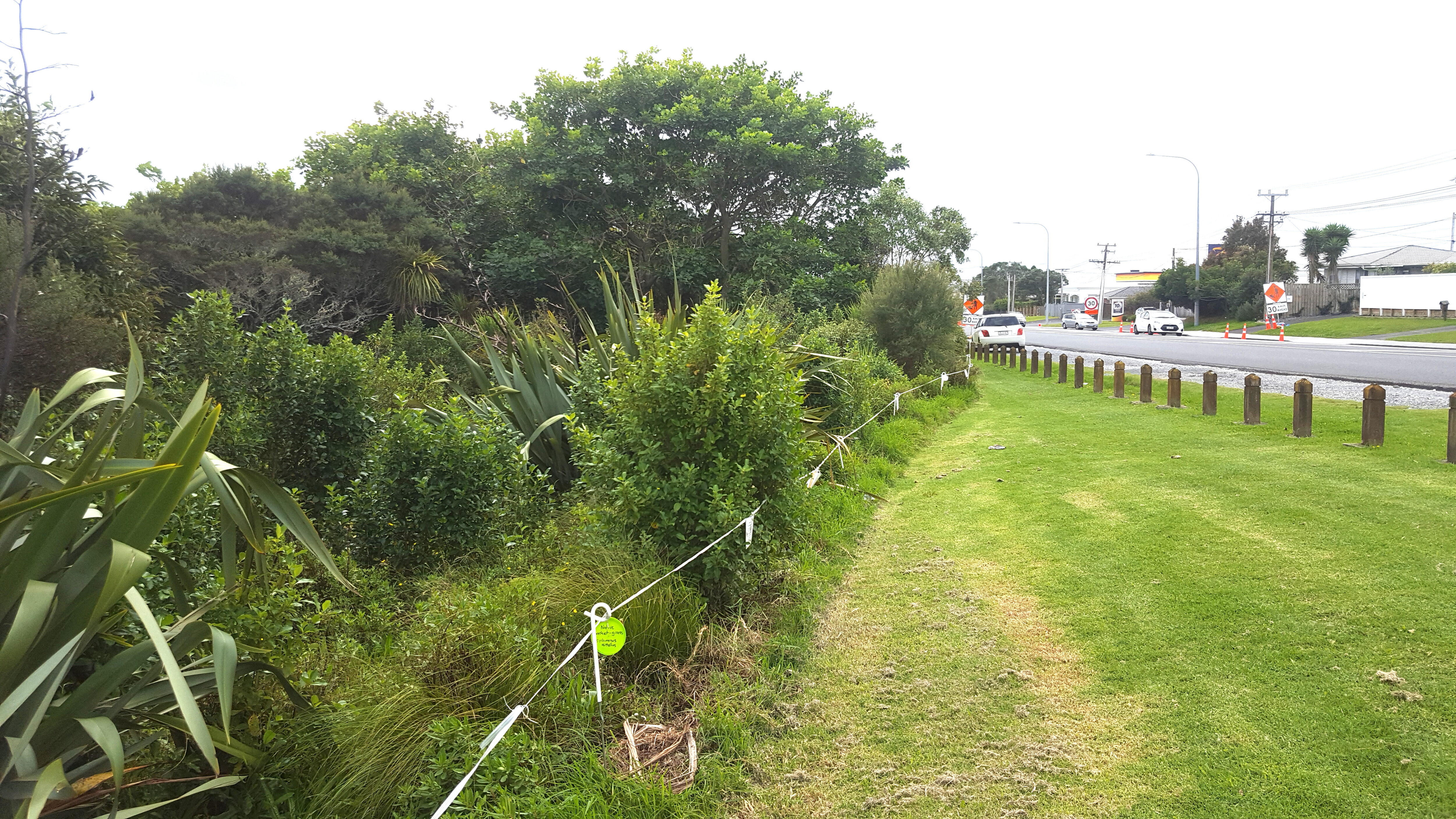
Through a series of site tours, demonstrations and online posts, the Kikuyu Module of our training course explains the history of the methodology and site, and teaches the strategies and techniques for the Pull-back method of kikuyu control or eradication.
Eskdale Reserve Training Site
The various stages of pull-back will be demonstrated at our Eskdale Reserve Training site, opposite 225 Glenfield Rd, where an “island” of native trees – along with the usual bird-borne weeds, is surrounded by neatly mown kikuyu, which spreads uncontrolled among the vegetation beyond the reach of the mower:
To demonstrate the necessary site preparation and sequence of interventions, we have established a second cordoned site, along the adjacent roadside edge of Eskdale Reserve opposite 219-225 Glenfield Rd.
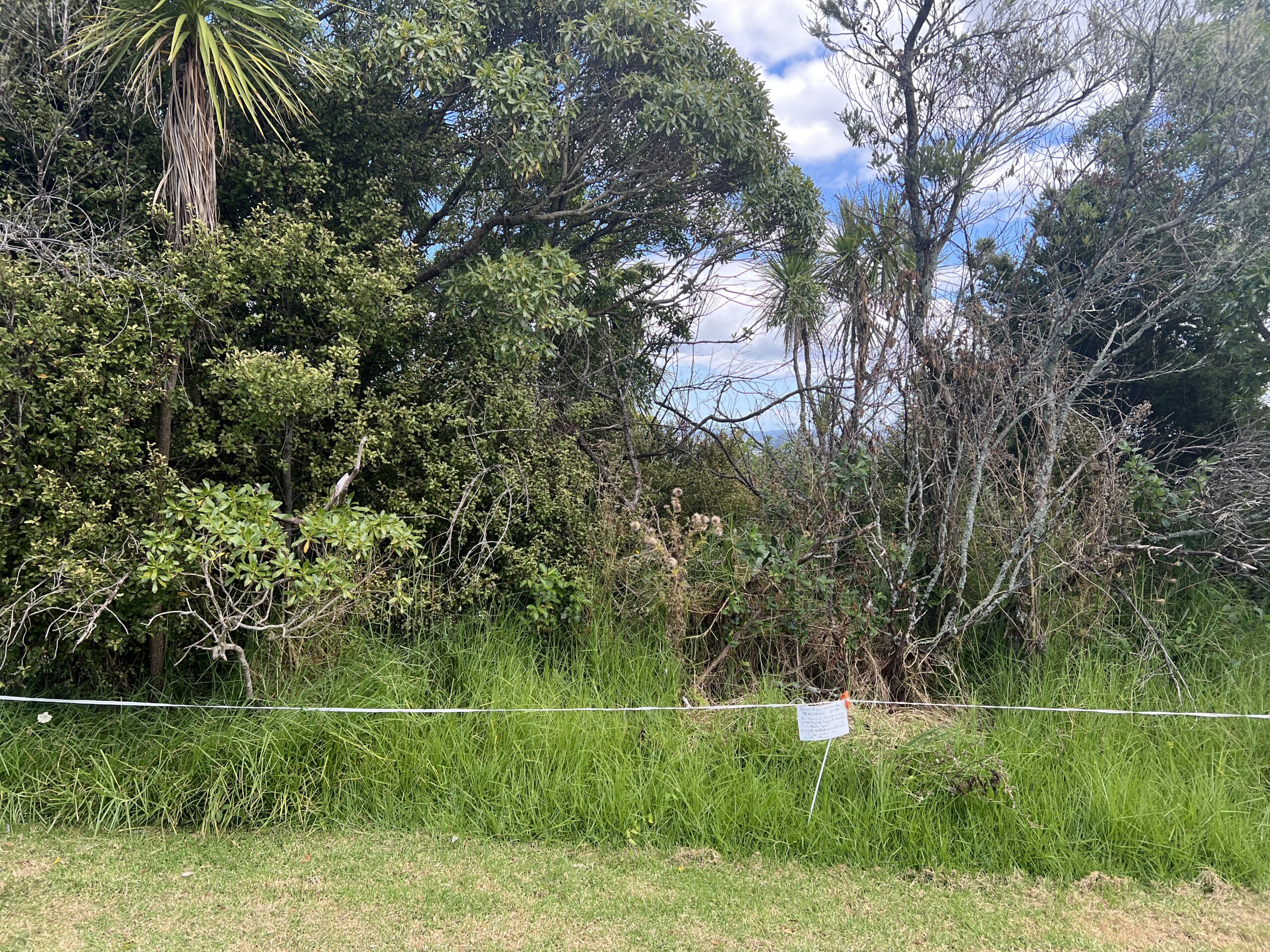
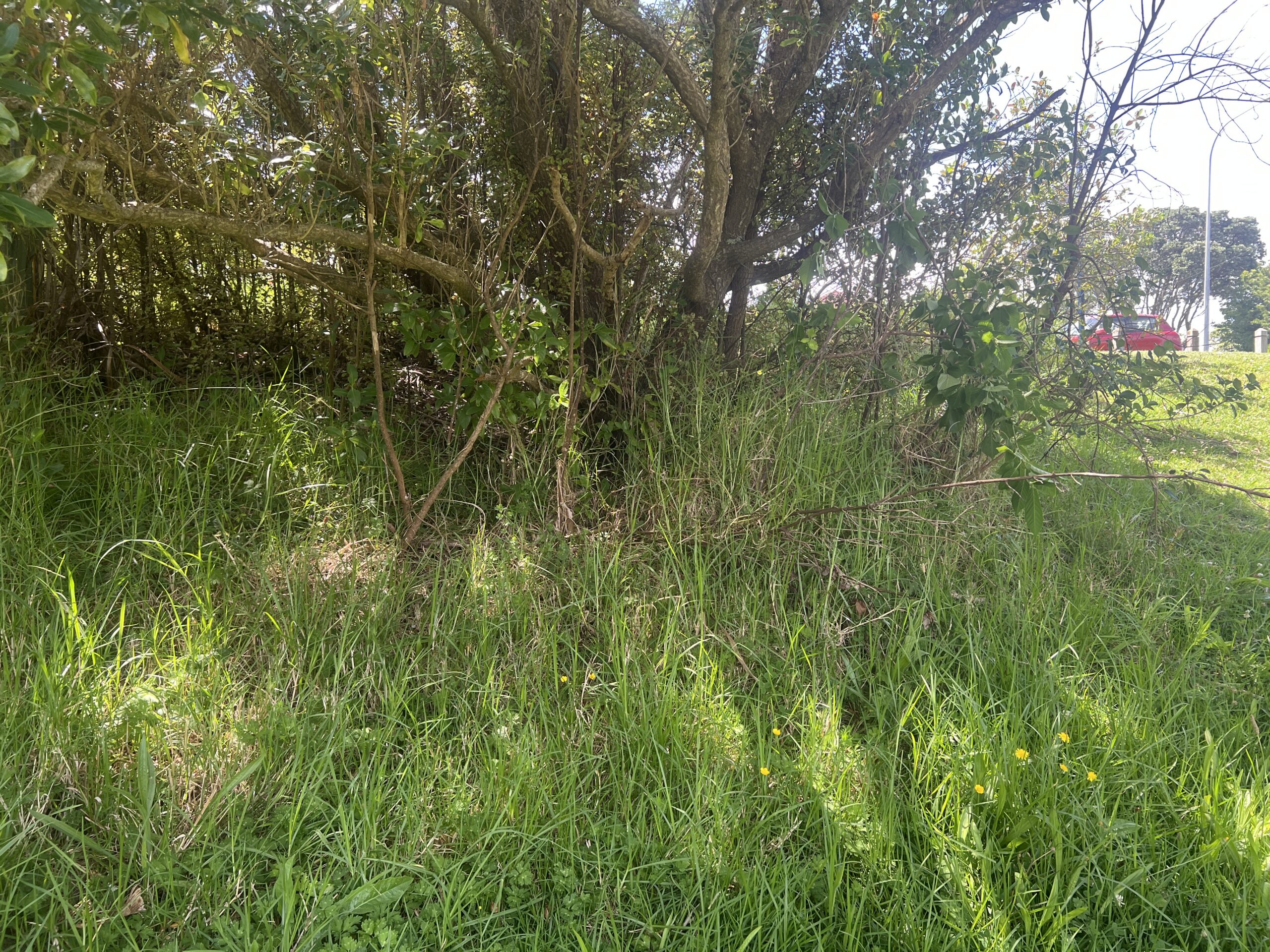
with a West-facing margin bordering the recreational grass field just down the hill.
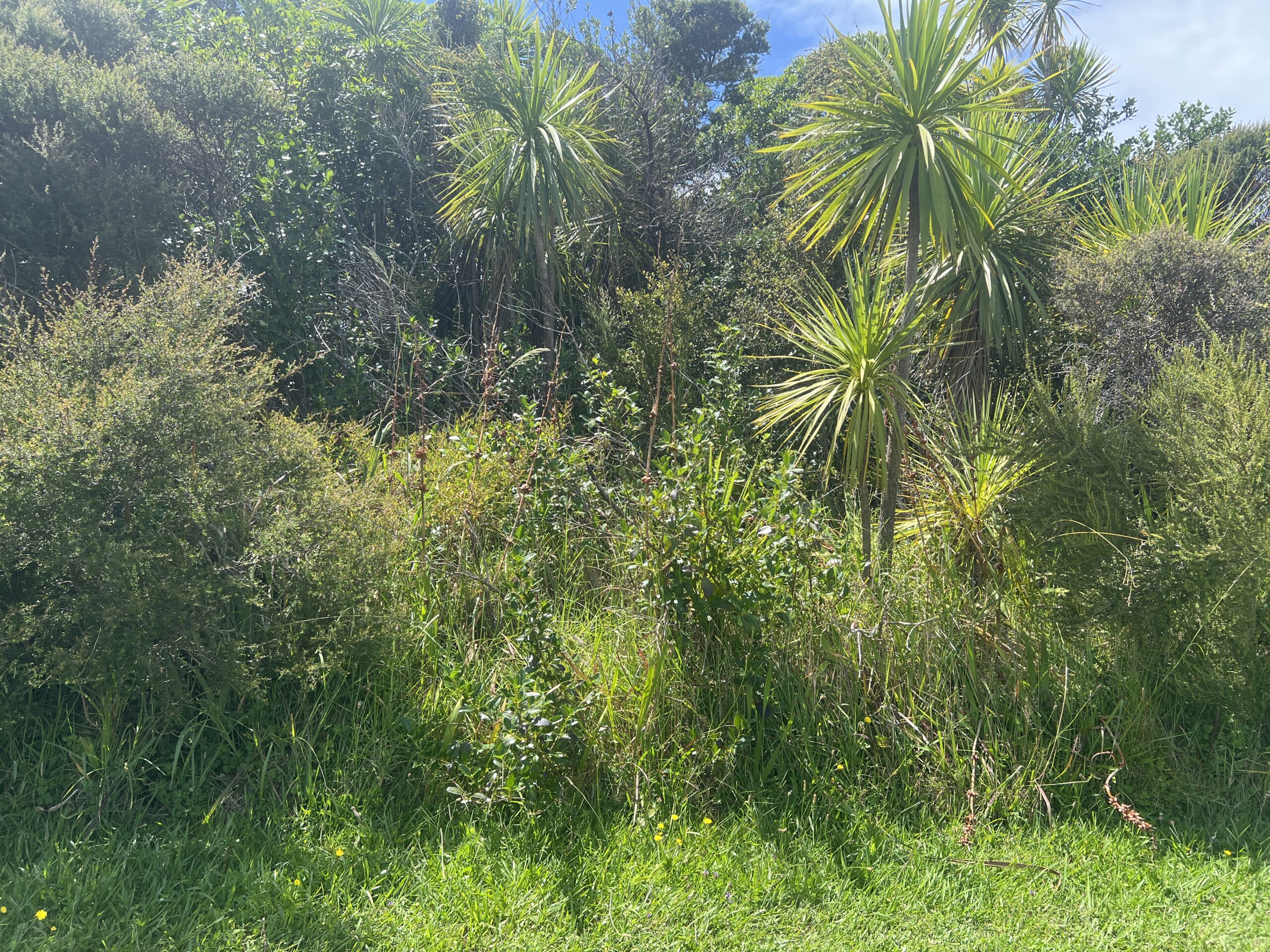
This site has been prepared and maintained so that people can observe the progress of kikuyu control from start to finish, and Course participants can watch a series demonstrations of all aspects of the technique, including plant identification for revegetation planning.
Students of the Pull-back Method will be helped to understand the process through seeing the results at various stages, probably in 3 or 4 site visits over 4-6 weeks.
The week before each site visit, Course participants will be given access to online Posts here on the North Shore Wilds website, accessible only to the Course members and illustrated with photos and videos, for clarification of the restoration history, methodology and techniques discussed and demonstrated on site tours.