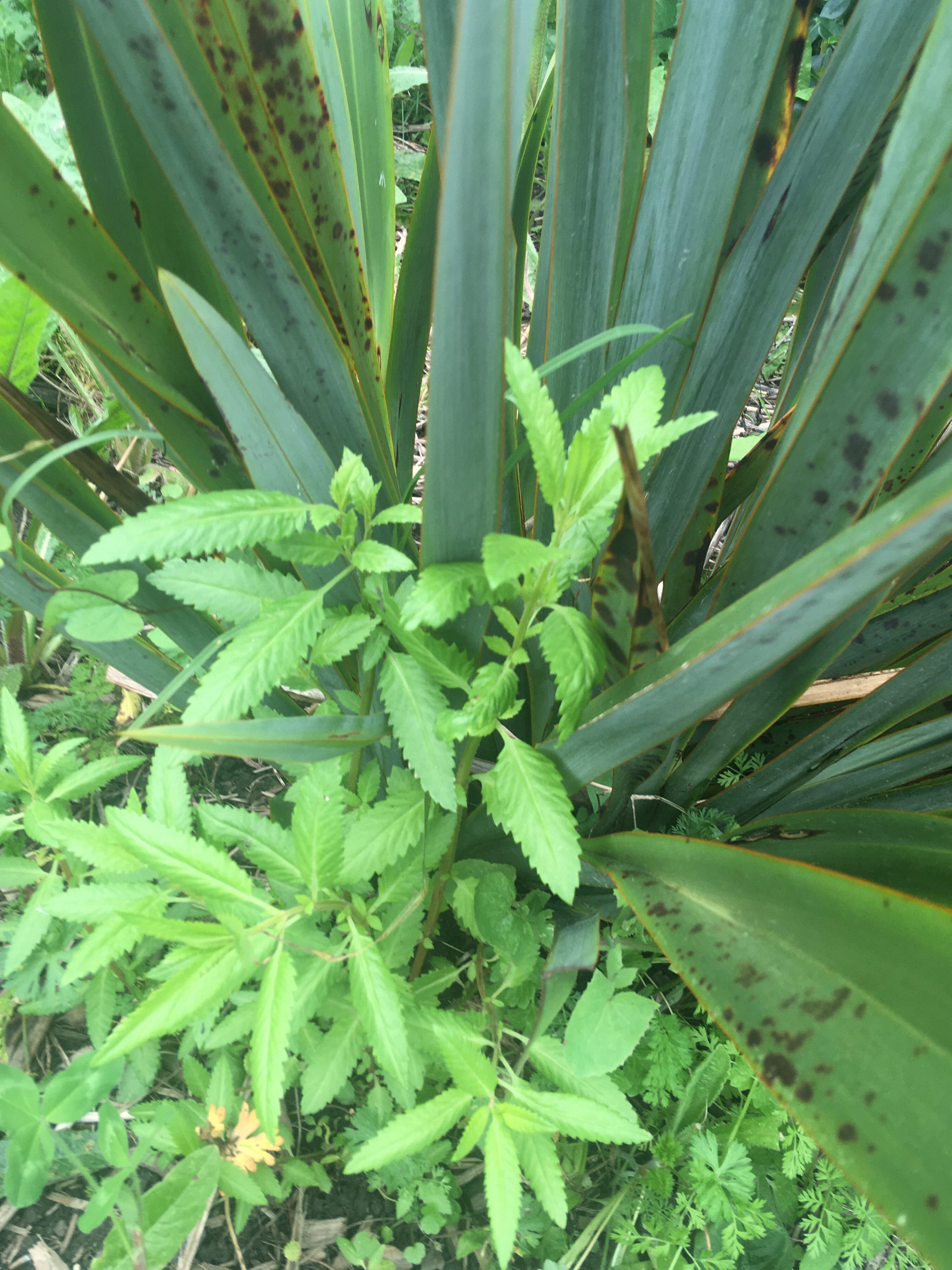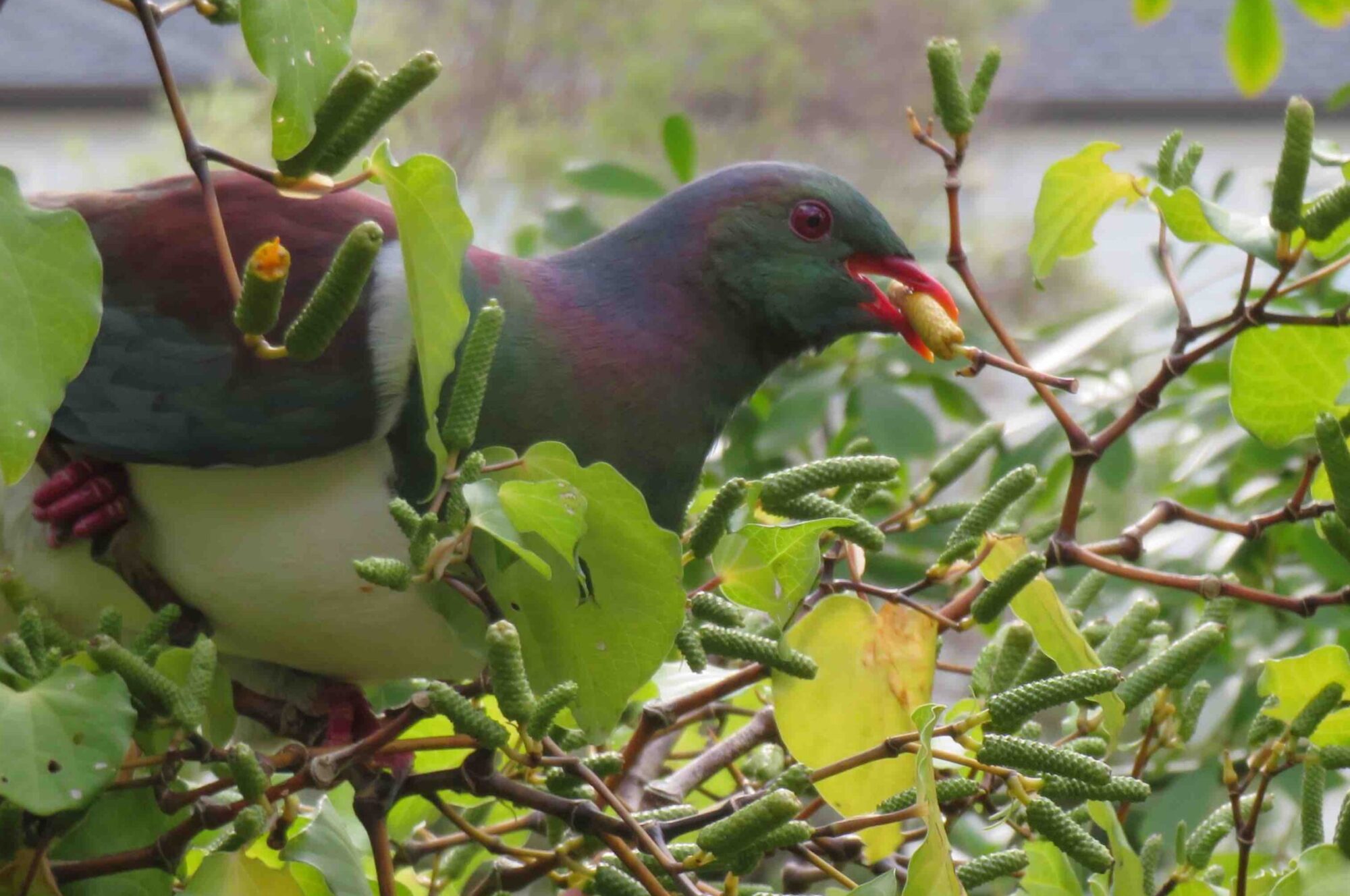
Wild revegetation does not disturb existing plant roots or soil, is generally perfectly sited both in terms of its genetic adaptation to the area and the micro-site. Compared to seedlings grown in a loose potting mix, wild seedlings have diverse root structures developed to follow the micro-channnels of moisture, nutrients and sub-surface fungal networks, holding them fast to dense clay and making them resilient to drought. They are also the survivors of the battle to germinate and grow at all, often among hundreds of seeds which failed.
And the first wild regeneration is, naturally enough, largely composed of the “pioneer” species; those that are hardy, resilient and quick-growing, producing the shelter and shade, and eventually a low canopy, for longer-lived and more sensitive species.
Provided for free through handweeding, and needing no transportation or planting, wild seedlings and sporelings are the most cost-effective way to cover an area with a diverse locally-native plant community.
But where there is a large space to fill as quickly as possible, the planting of some larger specimens will definitely hasten the development of full soil coverage — ie shade and protection for wild regeneration, and habitat for critters… and reduce weed reinvasion.
In bare, ie weeded, areas where you can easily dig a trowel-depth for easy planting of a small plant, it can be well worthwhile.
As to a wider variety of suitable plants, you will find lots of suggestions from the people who sell them
Shrubby toatoa/Haloragis erecta – the busiest volunteer, and the restorationist’s friend
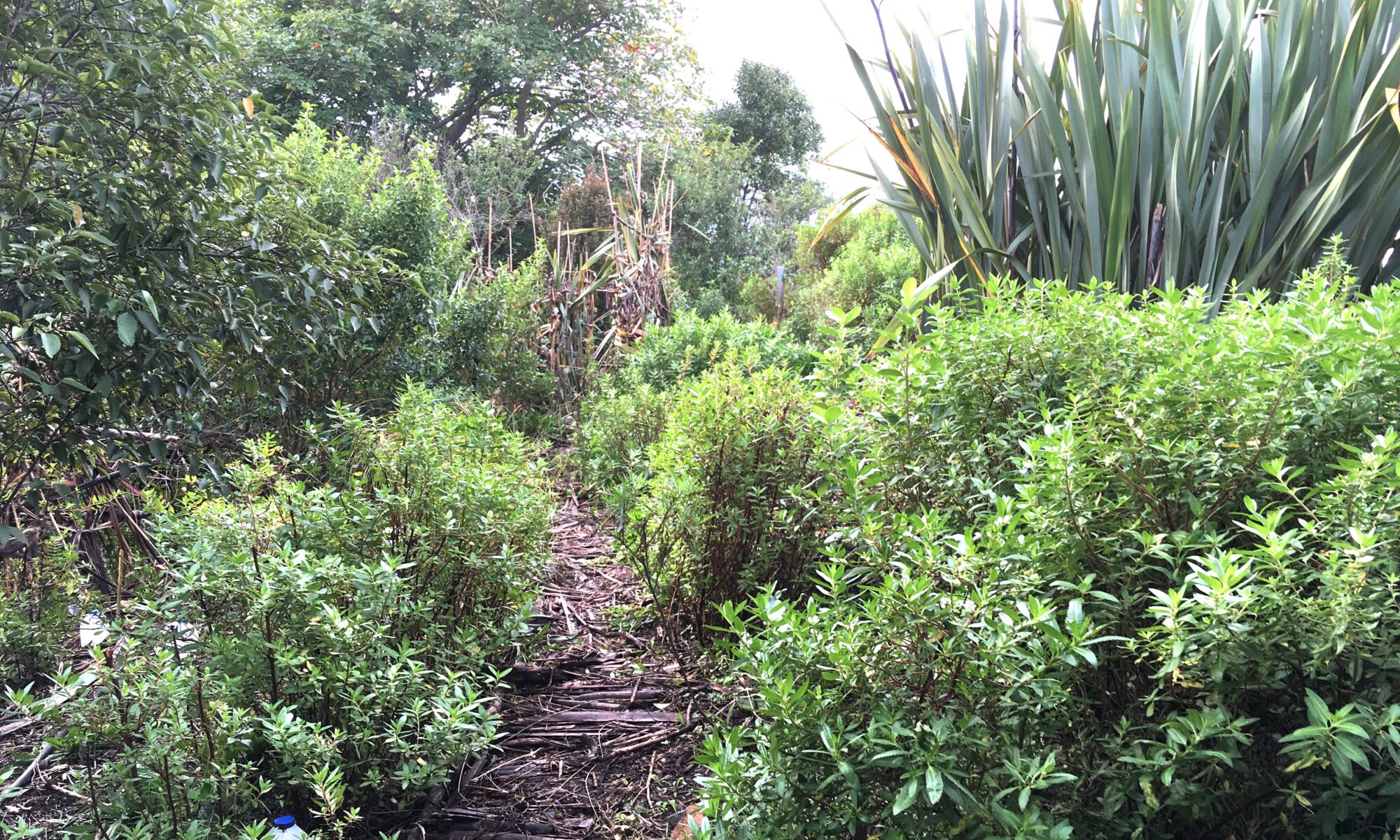
This modest plant was pointed out to me on the Kaipatiki Creek restoration site in 1998 by NZ native nursery pioneer Geoff Davidson : a very quick growing and self-spreading short-live perennial, extremely beneficial in restoration as it provides shelter that nurses wild or planted seedlings.
The bright green foliage is very pretty when bushy and leafy.
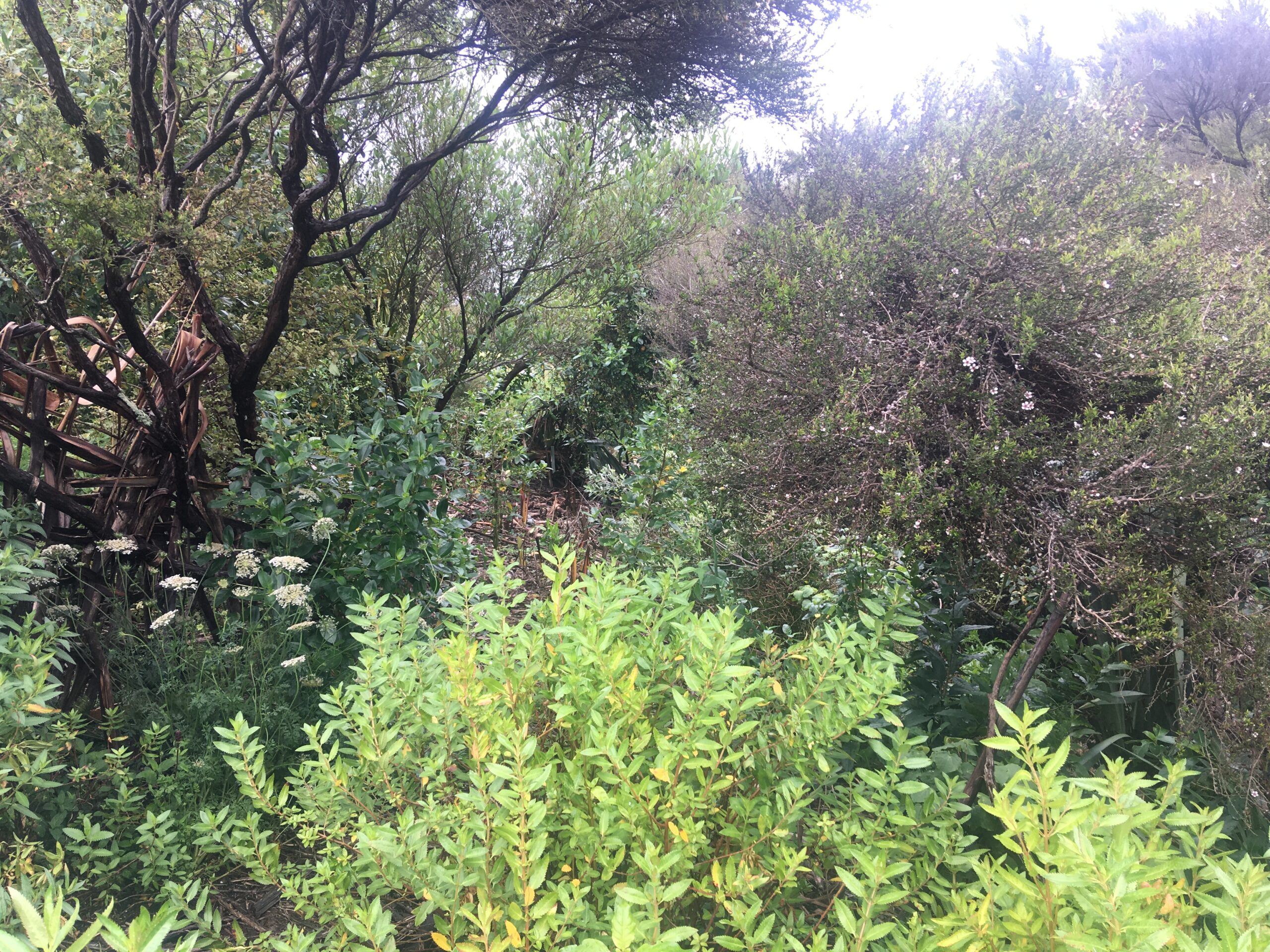
It gets leggy in the the first year or two, but can be kept compact with pruning if time permits. The stems are slender, becoming woody after about a year, when they can be snapped off or pruned with secateurs or shears, maintaining their leafiness if wanted, for instance in an ornamental garden border.
The tiny red flowers of toatoa are not obvious, but the bush acquires a reddish colour as the seeds mature.
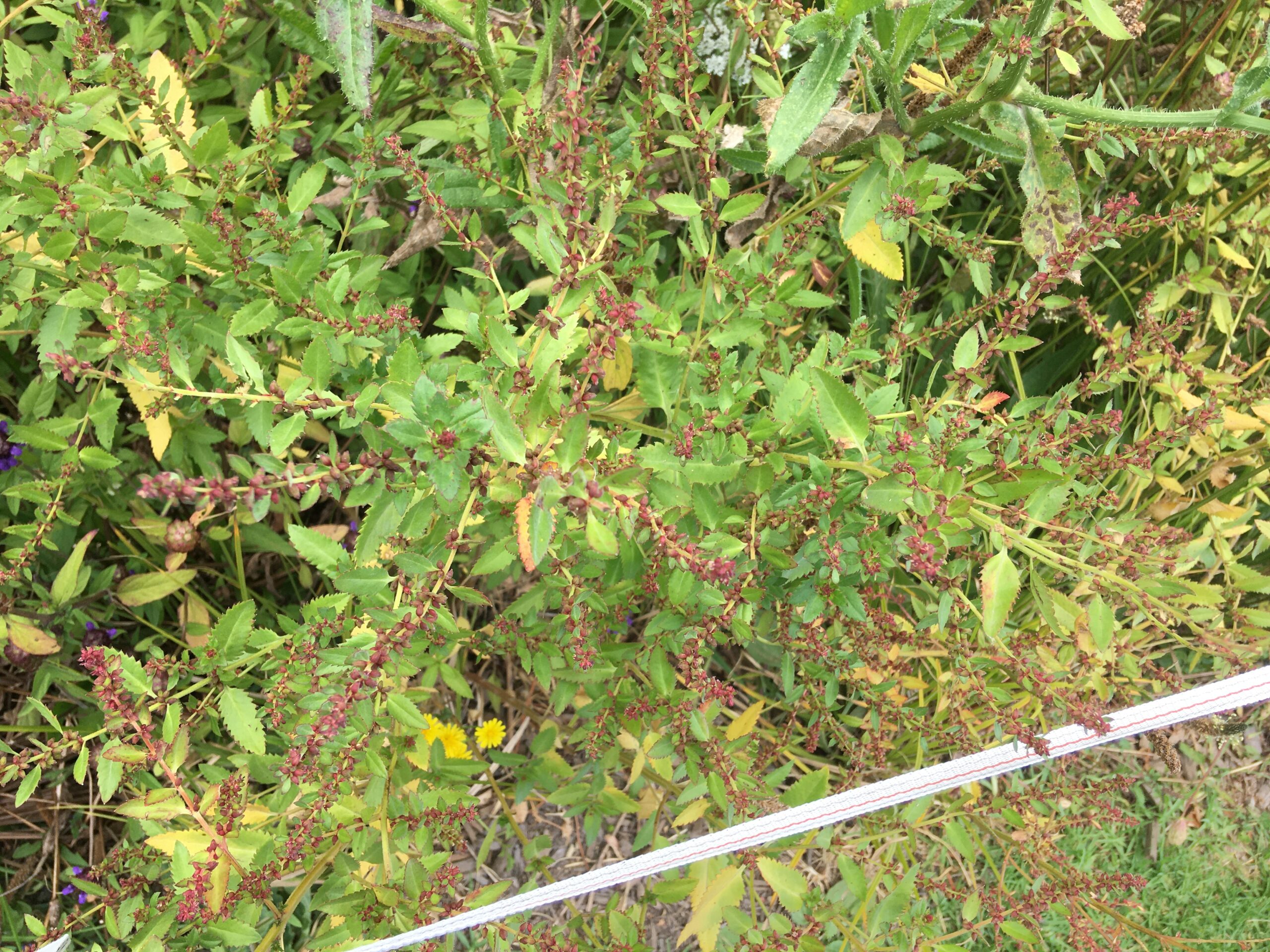
An unpruned toatoa bush in full sun in moist soil can grow up to 2 metres high, but they are often kept smaller by the development of surrounding vegetation, and even the well-fed specimens usually die out out after a few years, exposing the native seedlings which by that time will be up to about a metre high, large enough for pioneer species like karamu, manuka or ti kouka (cabbage tree) to look after themselves.
Once you have it in your garden or forest margin, hundreds of seedlings will arise wherever soil is undisturbed under the toatoa plant itself or between other plants, with full or partial light.
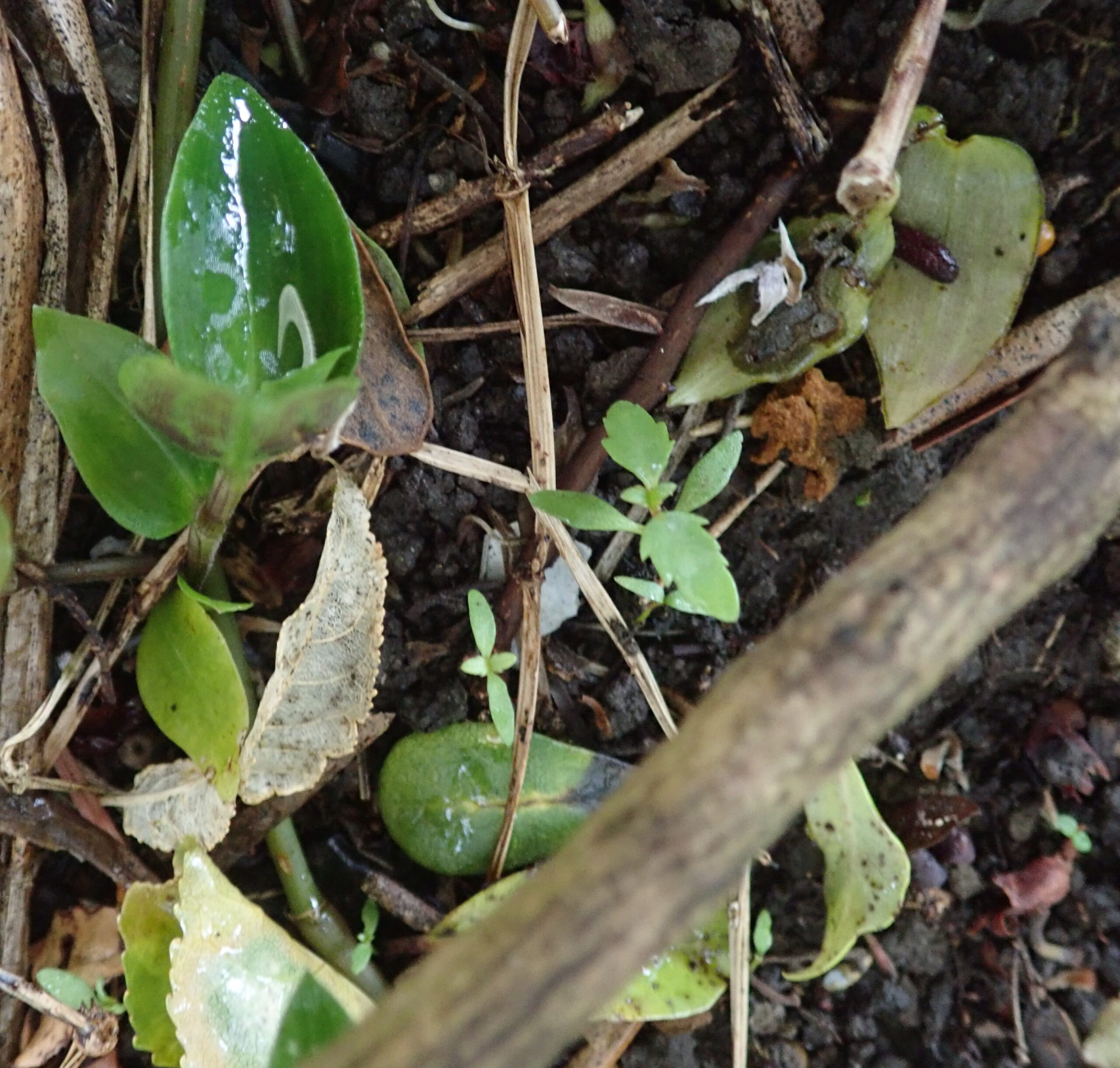
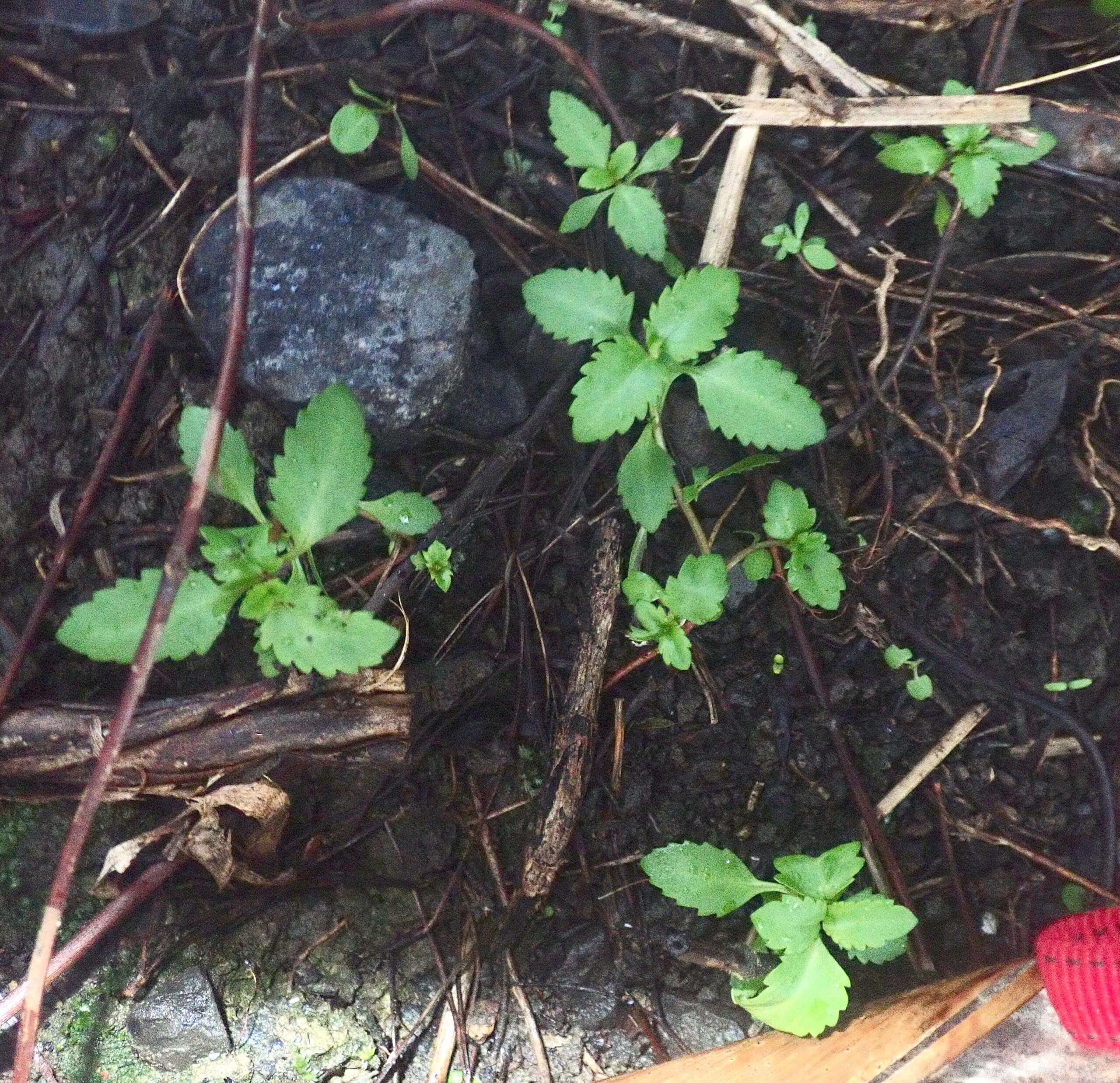
The seedlings are easily transplanted to new areas when small.